What counts as self-sustaining vegetation under a mine closure plan
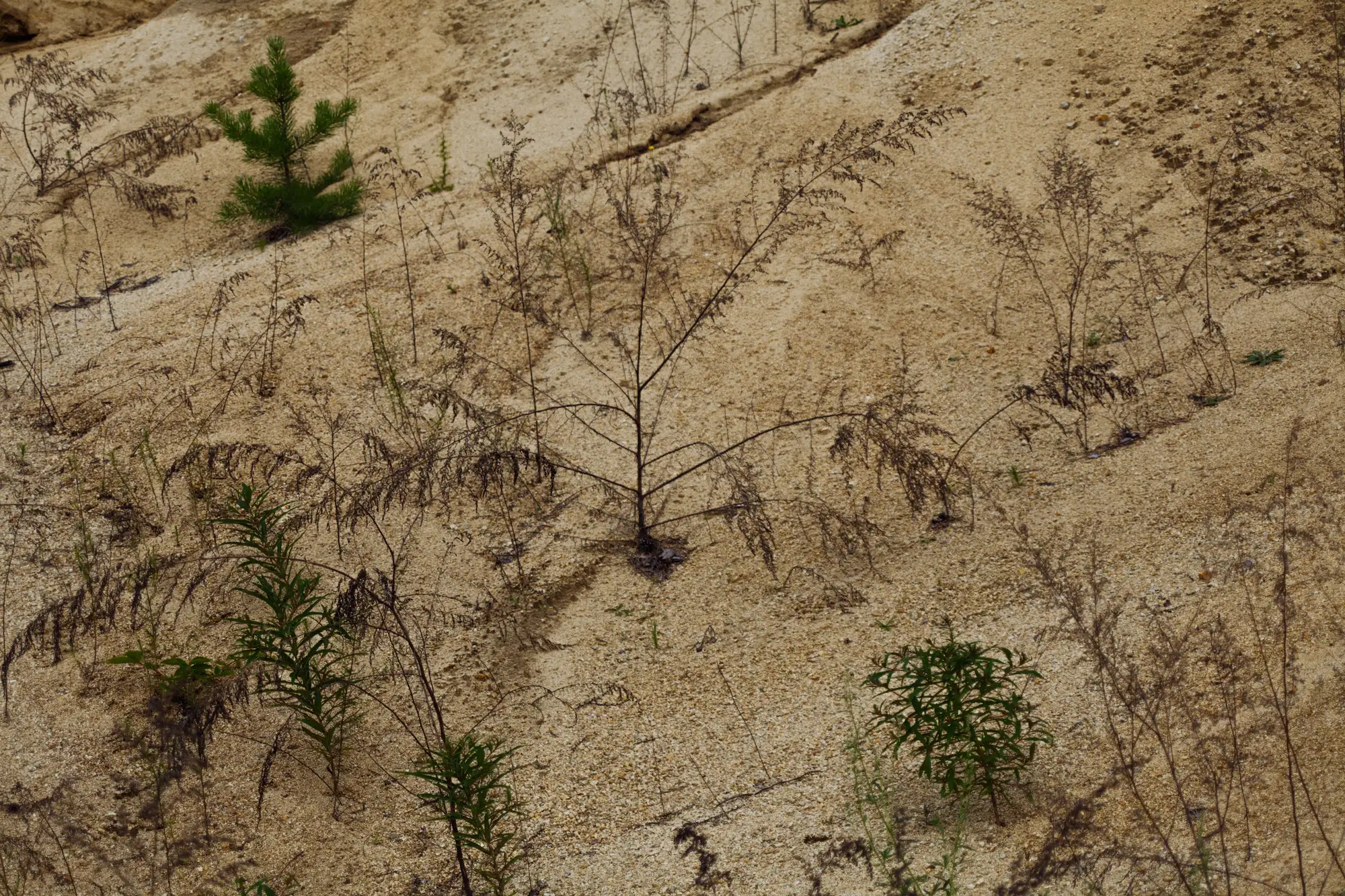
Every closure plan says vegetation has to become "self-sustaining" before a bond gets released. Almost none of them define that word the same way twice. If you underwrite reclamation bonds or sign off on release requests, the ambiguity is the whole problem: self-sustaining is doing a lot of work in a sentence that otherwise reads like a hard standard.
What "self-sustaining" actually means in practice
Strip away the plan-specific language and most success criteria are trying to answer three questions:
Does it persist without the operator's help? A stand that needs irrigation, fertilizer, or reseeding past the bond period isn't self-sustaining, no matter how green it looks in year one. Regulators generally want at least one full growing season, often two, with no artificial inputs before they'll credit a parcel.
Does it match the reference area or approved seed mix? Most plans tie success to a comparison standard: percent cover relative to an undisturbed reference site, or density and species counts against the approved revegetation plan. A parcel that's 90% cover but entirely one fast-colonizing grass usually fails this test even though the cover number looks good.
Is it reproducing on its own? This is the one operators' self-reports tend to gloss over. Annual cover readings that don't track species composition over time can't tell a surety whether a stand is establishing a seed bank or whether it's one drought away from bare ground again.
None of this is exotic. Coal programs under SMCRA have run on reference-area comparisons and multi-year responsibility periods for decades, and most state hardrock programs borrow the same logic even where the statute language differs. The sticking point in practice is proving compliance with something better than a consultant's field notes submitted once a year by the party asking for the bond back.
Why self-reported progress keeps failing the test
Operators have every incentive to report success early, and most aren't lying so much as measuring generously: a few plots walked in a good-rainfall month, cover estimated by eye, submitted as the annual record. A surety or regulator reviewing that report has no independent way to check whether the 70% cover claimed on parcel 14 last October still held through a dry summer, or whether it was ever more than a cover crop that's already senescing.
That gap surfaces hardest at the bond release hearing. A defensible determination there has to show vegetation return tracking the closure plan's milestones for every parcel, every year, since the plan baseline. A parcel looking vegetated on the day of the site visit doesn't establish that.
Building a record that holds up at bond release
A defensible self-sustaining determination needs the same three things every year of the closure plan: a vegetation index reading per parcel, a comparison against the milestone the closure plan set for that year, and a trend line long enough to show whether the stand is holding, improving, or sliding back. Walking every acre on that cadence isn't realistic for most agencies or sureties, which is exactly why operator self-reporting fills the gap today.
Revegetation Monitor reads vegetation return once a year from wide-swath multispectral imagery and tracks it per parcel against the closure plan's own milestones, so a regulator or surety has an independent record to weigh against the operator's report instead of a single data source going into the release decision.
If you're reviewing a bond release request this season, it's worth seeing what an independent, per-parcel vegetation record looks like before the hearing.