Blog
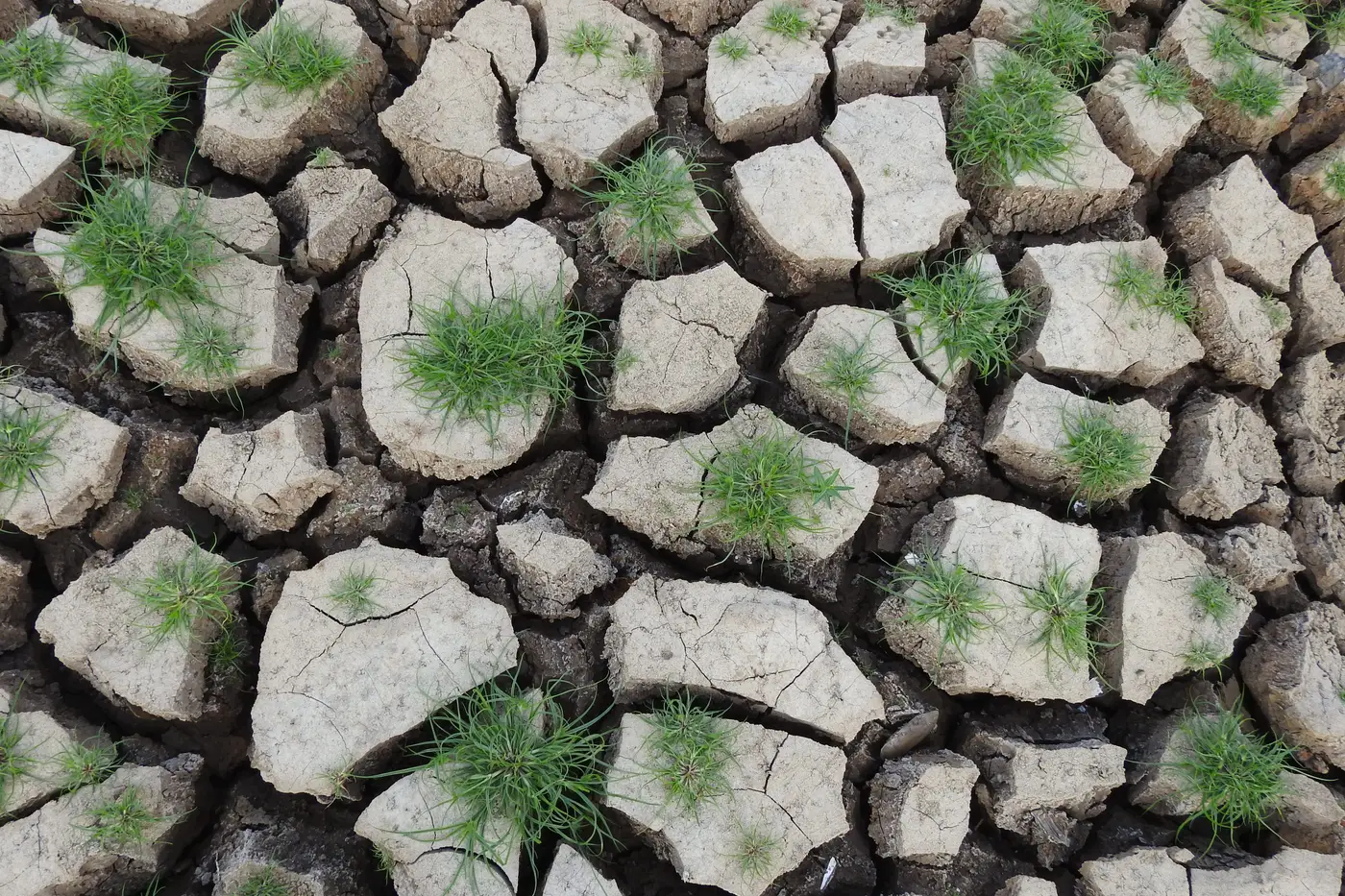 Field notes: the first growing season after the drill seeder
A reclamation walk-through the first spring after drill seeding, and why the index won't show anything useful until year two.
 The SMCRA ten-year responsibility period vs. your bond term
SMCRA's ten-year revegetation responsibility period often outlasts the bond that's supposed to back it. Here's why that gap matters for release decisions.
- Comparing revegetation progress across permit areas without a site visit
A field guide for regulators and sureties on using satellite imagery to compare revegetation progress across multiple permit areas in one review cycle.
 What is a forfeiture trigger in a mine reclamation bond?
A plain explanation of forfeiture triggers in mine reclamation bonds: what sets them off, who calls them, and what evidence a surety claim needs.
- Field notes: the regulator and the surety read the same vegetation curve differently
A vegetation index curve looks like one fact. The agency reads it against a milestone date. The surety reads it as exposure. Same line, two questions.
 Phase II vs. Phase I bond release: what actually changes
Phase I checks grading and drainage. Phase II checks vegetation establishment. Here's what separates the two, plus Phase III and incremental acreage release.
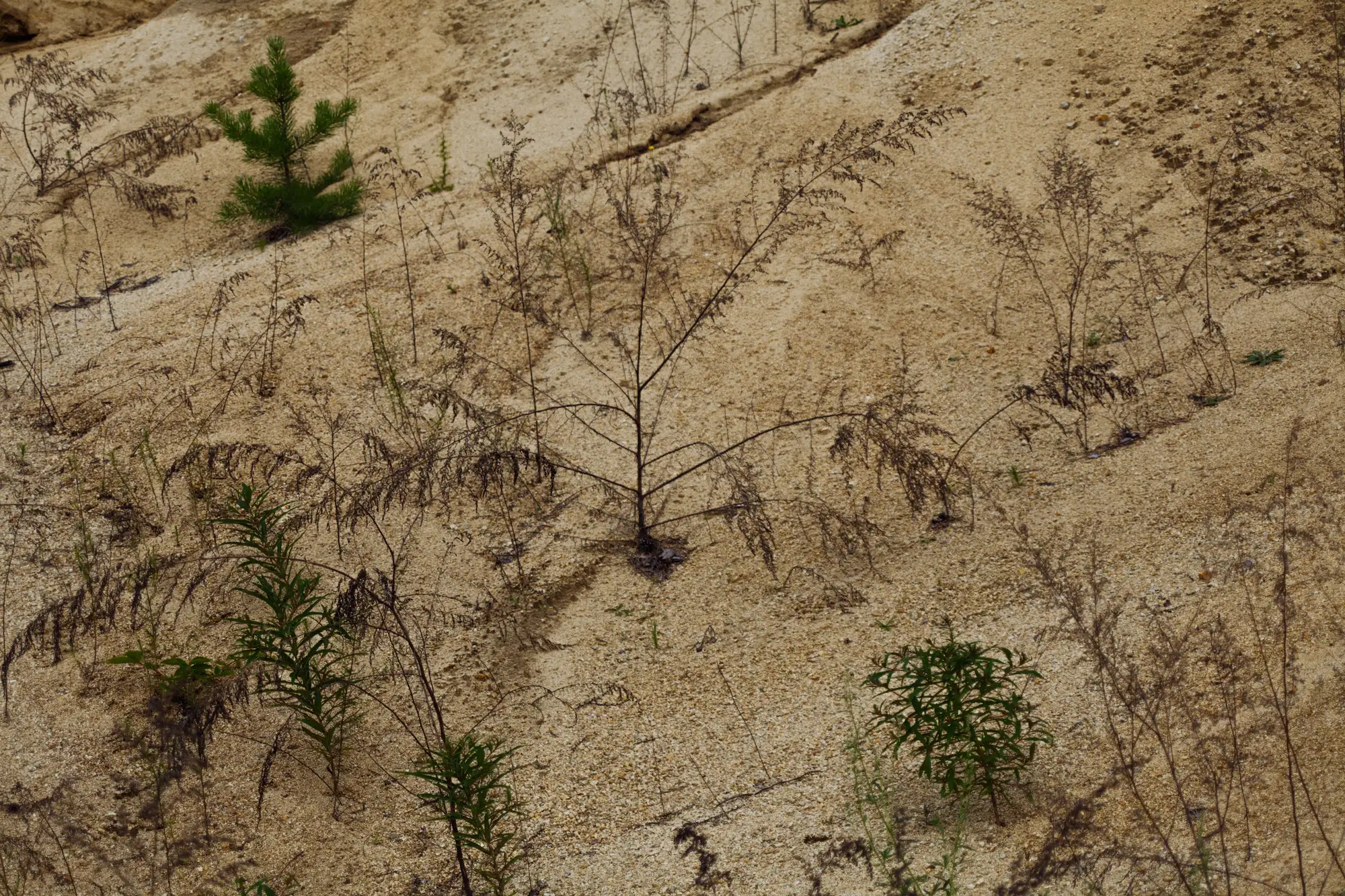 What counts as self-sustaining vegetation under a mine closure plan
What self-sustaining vegetation means under a mine closure plan, and why operator self-reports rarely prove it at bond release.
- What is an indemnity agreement in mine reclamation surety bonding?
A plain explanation of the indemnity agreement behind a reclamation surety bond, what it obligates the indemnitor to do, and why it matters at closure.
- Field notes: the pit that greened up on paper and stayed bare on the ground
A reviewer's notes on the gap between closure-report photos and what the slope looks like on the ground, and why that gap matters for bond release.
- Native seeding or weeds? What satellite vegetation index can and can't tell you
A vegetation index from satellite imagery can't name a species. Here's what it can show about seed mix establishment versus volunteer weed cover.
- How to cross-check operator revegetation reports against satellite imagery
A practical method for regulators and sureties to verify self-reported reclamation progress against independent vegetation imagery before bond decisions.
- What a vegetation index trend line in a closure report actually shows
A plain-language guide to reading a vegetation index trend line in a mine closure report, and why year-over-year slope matters more than any single reading.
- Line-point intercept vs quadrat sampling for revegetation cover checks
A comparison of line-point intercept and quadrat sampling for revegetation cover checks, and where each one falls short for bond release decisions.
- What counts as a reference area under SMCRA revegetation success standards
What counts as a reference area under SMCRA revegetation success standards, and why it matters for bond release reviews.
- How many growing seasons of data before a bond release decision holds up?
What reviewers look for when an operator petitions for phase bond release: consecutive growing seasons, not just total years on file.
- Percent cover vs. species diversity: what your closure plan is actually measuring
Percent vegetative cover and species diversity are different success criteria. Here's how closure plans use each one and why it matters for bond release.
- Self-bonding vs. surety bond for mine reclamation: what backs the obligation
A plain comparison of self-bonding and third-party surety bonds for mine reclamation, and why both still need independent proof of revegetation.
- What is a Phase I bond release in surface mine reclamation?
A plain-language breakdown of SMCRA's three-phase bond release process and what separates Phase I from Phase II and Phase III.